


<span>Anxiety</span> Treatment in Auburndale, FL

Anxiety Treatment in Auburndale, FL

Calm your mind, restore your balance

Common In:Adults 18 to 65+
Diagnosis:Comprehensive psychiatric eval
Results:4 to 12 weeks
Insurance:Often covered
Understanding Anxiety: More Than Everyday Worry

Understanding Anxiety: More Than Everyday Worry

What anxiety disorders look like and why they respond to evidence-based care

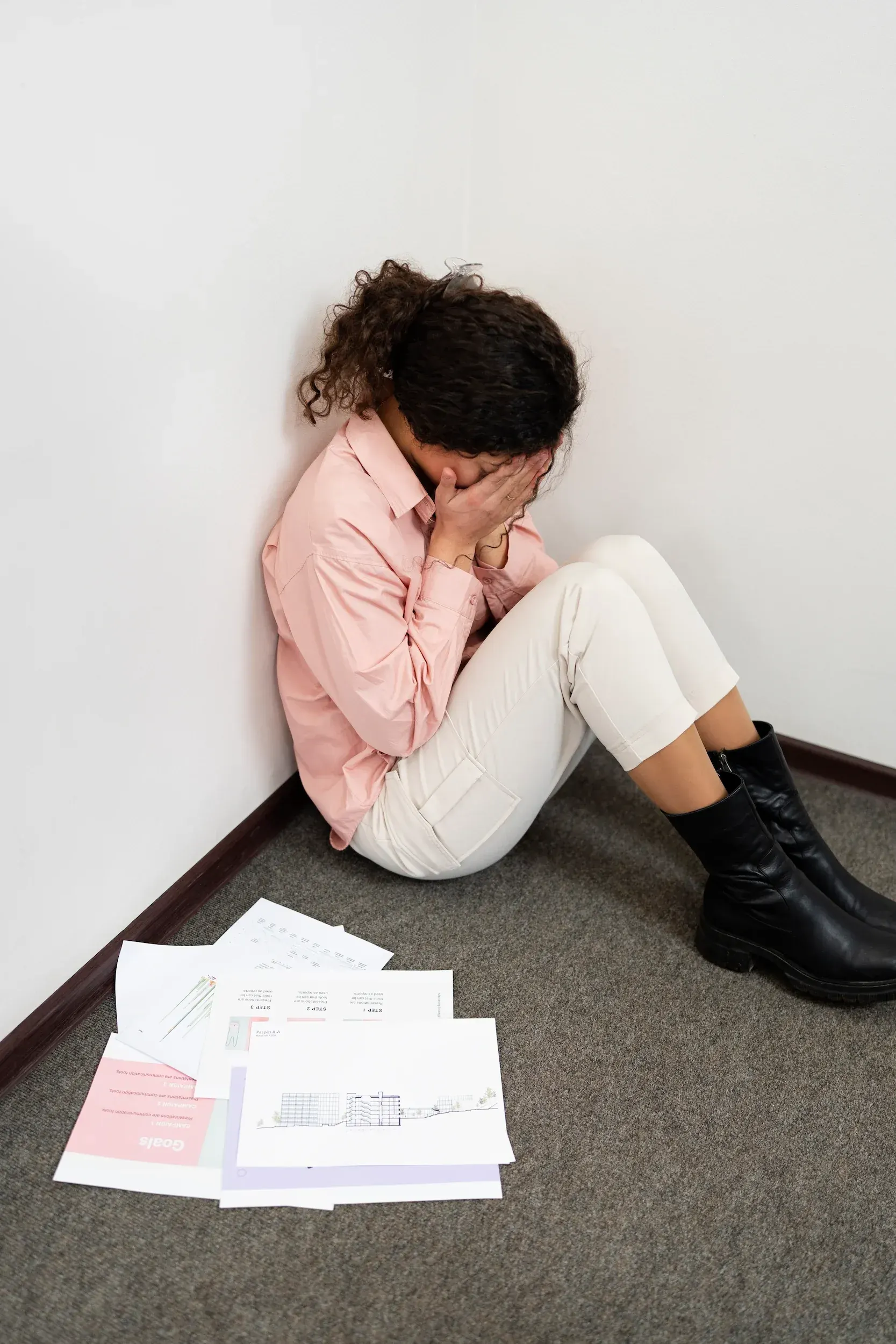
Anxiety disorders are the most common mental health conditions in the United States, affecting roughly 40 million adults each year according to the National Institute of Mental Health (NIMH). While occasional worry is a normal response to stress, an anxiety disorder involves persistent, excessive fear or apprehension that interferes with work, relationships, sleep, and physical health. Left untreated, anxiety can lead to chronic exhaustion, avoidance behaviors, and co-occurring depression.

At Evolving Mind and Body in Auburndale, FL, board-certified Psychiatric Mental Health Nurse Practitioner Jason Floyd, MSN, APRN, PMHNP-BC, treats anxiety with a root-cause, evidence-based approach. Care begins with a comprehensive psychiatric evaluation to clarify the diagnosis (generalized anxiety disorder, panic disorder, social anxiety, or specific phobias) and rule out medical contributors such as thyroid dysfunction. From there, Jason builds a personalized plan that may include medication management, lifestyle changes, and TMS therapy with ExoMind for patients who have not responded to standard treatment.

Why Anxiety Develops

Why Anxiety Develops

Biology, environment, and lifestyle all play a role

Anxiety disorders are multifactorial. Research summarized by the Anxiety and Depression Association of America (ADAA) shows that genetics account for roughly 30 to 50 percent of risk, while neurochemical imbalances (particularly in GABA, serotonin, and norepinephrine pathways) shape how the brain processes threat. Chronic stress, unresolved trauma, certain medical conditions like hyperthyroidism, and substance use can each tip a vulnerable nervous system into a persistent state of alarm.

For many patients in Auburndale and across Polk County, a combination of work demands, sleep deprivation, caffeine intake, and unaddressed hormonal shifts amplifies anxiety symptoms. Identifying these drivers is a core part of every evaluation at Evolving Mind and Body, which is why Jason often coordinates care across psychiatry and integrative wellness when medical contributors are suspected.

Types of Anxiety Disorders We Treat

Types of Anxiety Disorders We Treat

GAD, panic disorder, social anxiety, and specific phobias

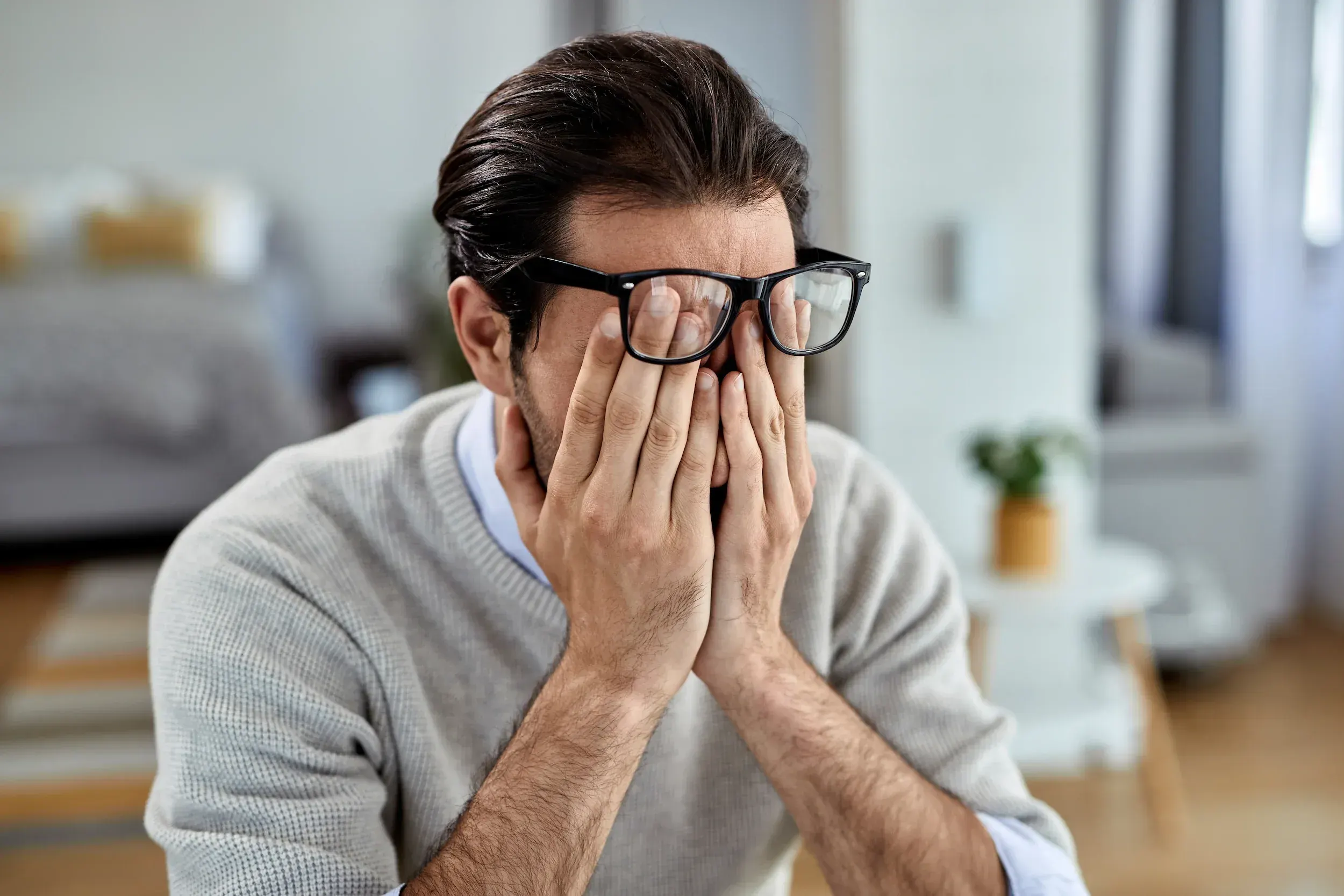
Anxiety is not a single condition. Generalized anxiety disorder (GAD) features persistent, excessive worry about everyday matters lasting six months or more. Panic disorder involves sudden surges of intense fear with physical symptoms like racing heart, chest tightness, and shortness of breath. Social anxiety disorder centers on intense fear of judgment or embarrassment, while specific phobias produce disproportionate fear of particular objects or situations. Each subtype responds differently to treatment, which is why an accurate diagnosis is the first step.

Co-occurring conditions are common. Many patients also experience depression or chronic insomnia, both of which Jason can evaluate and treat in the same care plan to avoid fragmented treatment across multiple providers.

What Causes Anxiety Disorders?

What Causes Anxiety Disorders?

Common contributors identified during your evaluation

01

Genetics and Family History

First-degree relatives with anxiety or mood disorders raise lifetime risk significantly.

02

Brain Chemistry

Imbalances in GABA, serotonin, and norepinephrine alter how the brain processes fear and worry.

03

Chronic Stress and Trauma

Prolonged work, financial, or relational stress and unresolved trauma can sensitize the nervous system.

04

Medical Conditions

Thyroid disorders, cardiac arrhythmias, vitamin deficiencies, and hormonal shifts can mimic or worsen anxiety.

05

Substance Use and Stimulants

Alcohol, nicotine, excessive caffeine, and recreational drugs frequently trigger or amplify symptoms.

Why Choose Evolving Mind and Body for Anxiety Treatment in Auburndale, FL

Why Choose Evolving Mind and Body for Anxiety Treatment in Auburndale, FL

Personalized psychiatric care guided by a board-certified PMHNP

  • Board-Certified Provider
  • Comprehensive Evaluation
  • Advanced Options
  • Flexible Access

Anxiety Treatment Options at Evolving Mind and Body

Compare evidence-based approaches we offer in Auburndale, FL

Treatment Best For Session Time Results Timeline Maintenance
Psychiatric Evaluation and Medication Management First-line care for GAD, panic disorder, and social anxiety 60 to 90 min initial, 20 to 30 min follow-ups 2 to 6 weeks for medication response Follow-ups every 1 to 3 months
TMS Therapy with Exomind Anxiety with co-occurring depression or insufficient medication response 20 to 30 min per session, 5 days per week 4 to 6 weeks during the treatment course Optional maintenance sessions as needed
Telehealth Psychiatry Established patients and those who prefer virtual visits 20 to 60 min per visit Same as in-person care Ongoing virtual follow-ups
Signs You May Have an Anxiety Disorder

Signs You May Have an Anxiety Disorder

Recognize the symptoms and know when to seek help

  • Excessive Worry
  • Restlessness and Irritability
  • Racing Thoughts
  • Panic Attacks
  • Sleep Disturbance
  • Muscle Tension and GI Issues
  • Avoidance Behaviors

Frequently Asked Questions About Anxiety Treatment

01 What are the symptoms of an anxiety disorder?

Common symptoms include excessive or persistent worry, restlessness, racing thoughts, muscle tension, sleep disturbance, GI upset, panic attacks (racing heart, chest tightness, shortness of breath), and avoidance of triggering situations. When symptoms last several weeks and interfere with work, school, or relationships, a professional evaluation is recommended.

02 How is anxiety diagnosed?

Diagnosis begins with a comprehensive psychiatric evaluation. Jason Floyd reviews your symptoms, medical history, family history, lifestyle, and any prior treatments. Validated screening tools (such as the GAD-7) are used alongside lab work when needed to rule out medical contributors like thyroid dysfunction or vitamin deficiencies before confirming the specific anxiety disorder subtype.

03 Does TMS therapy help anxiety?

Yes. Transcranial magnetic stimulation has growing evidence for treating anxiety, especially when it co-occurs with depression. ExoMind, the TMS protocol used at Evolving Mind and Body, delivers targeted magnetic pulses to brain regions involved in mood and anxiety regulation. Most courses run 5 days per week for 4 to 6 weeks and are non-invasive with no anesthesia or downtime.

04 What medications are used to treat anxiety?

First-line options typically include SSRIs (such as sertraline or escitalopram) and SNRIs (such as venlafaxine or duloxetine), which are taken daily and reach full effect over 4 to 8 weeks. Buspirone, beta-blockers, and short-term anxiolytics may be added for specific situations. Jason personalizes the choice based on your diagnosis, side-effect profile, and other medications you take.

05 Do you treat panic attacks and panic disorder?

Yes. We treat panic disorder, including patients who experience recurrent unexpected panic attacks with physical symptoms like racing heart, chest pressure, dizziness, or fear of losing control. Treatment usually combines daily medication, situational tools for stopping a panic attack in progress, and lifestyle adjustments around sleep, caffeine, and stress management.

06 Can lifestyle changes really reduce anxiety?

Lifestyle is a meaningful piece of recovery. Consistent sleep, regular aerobic exercise, reduced caffeine and alcohol, balanced nutrition, and stress-management practices like breathwork and mindfulness all measurably lower anxiety symptoms. They work best alongside medical treatment, not as a replacement for it when symptoms are moderate or severe.

Location110 W Polk Ave, Suite B
Auburndale, FL, 33823

Schedule Your Consultation

Scientific References